Industry Insights
AI Predictive Maintenance for Construction Equipment
Build Hero Team ·
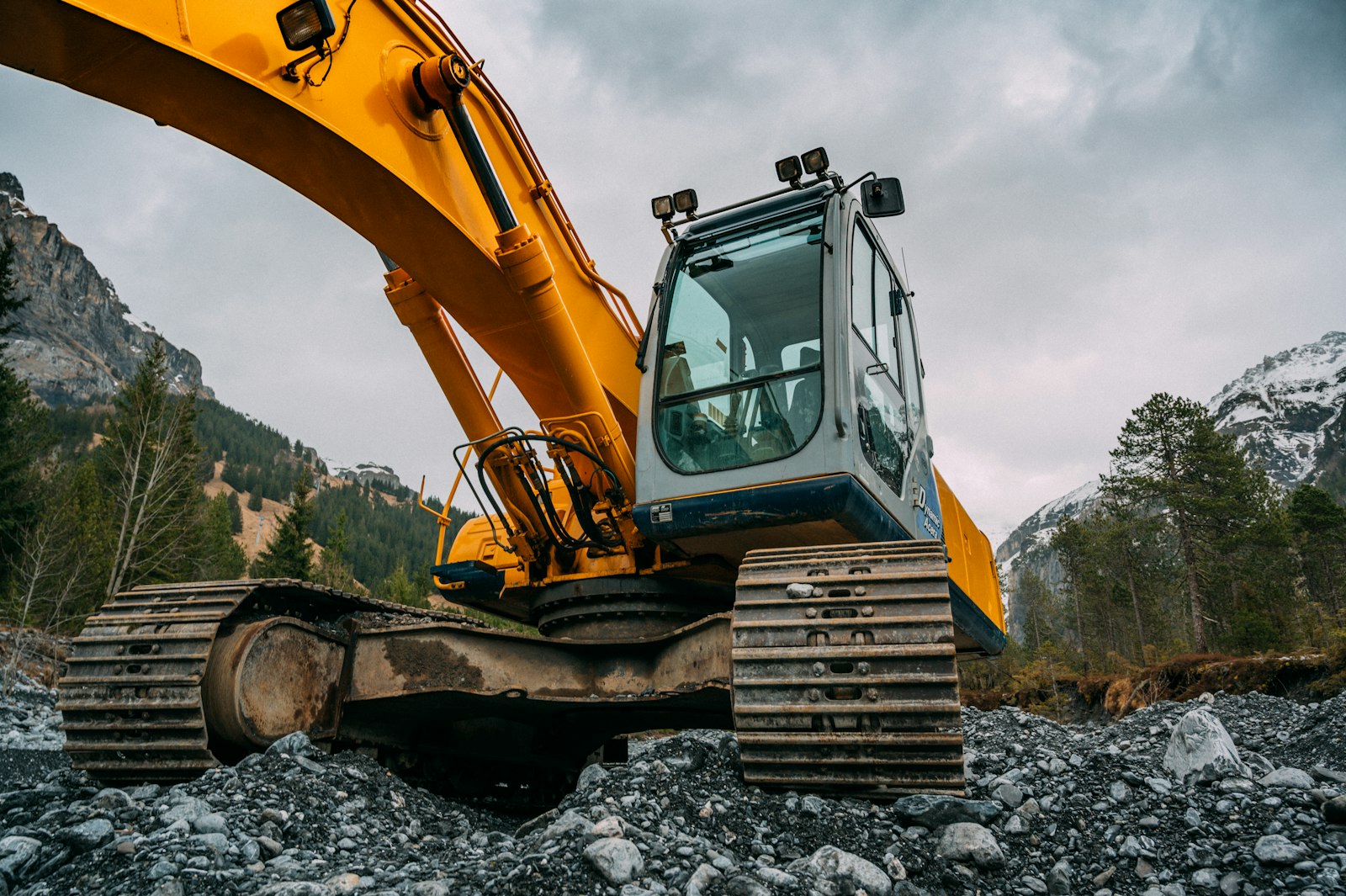
AI predictive maintenance for construction equipment uses data from the machines themselves, such as engine hours, fault codes, temperatures, pressures, fluid analysis results and repair history, to estimate when a component is likely to fail, so it can be serviced before it breaks down on the job. Done well, it lets fleet managers plan repairs around the schedule instead of around breakdowns. It requires reliable data, a working maintenance process and people who can judge the alerts, and it is not worth the effort for every machine.
Reactive, preventive and predictive maintenance
There are three broad approaches, and most fleets use a mix of them. The U.S. Department of Energy's Operations and Maintenance Best Practices Guide describes these program types for facility equipment, and the same ideas apply to construction fleets.
- Reactive maintenance means fixing a machine after it breaks. It needs no planning, but failures happen at the worst possible time, often cause collateral damage and stop work on site.
- Preventive maintenance means servicing on a fixed schedule, such as every so many engine hours or months. It is predictable, but parts are often replaced while they still have useful life, and failures between services still happen.
- Predictive maintenance means servicing based on the actual condition of the machine. Data shows when a component is degrading, so the work is scheduled close to when it is really needed.
Predictive maintenance does not replace preventive maintenance. Most programs keep basic scheduled service, such as fluids, filters and inspections, and add condition-based decisions for the expensive components.
How data and AI identify potential failures
Where the data comes from
- Telematics. Most modern machines report location, engine hours, fuel use, idle time and diagnostic or fault codes. For mixed fleets, ISO/TS 15143-3 defines a common format for passing machine status data from a telematics provider's server to customer applications, which makes it easier to combine data from different manufacturers.
- Sensors. Additional sensors can track vibration, temperatures and hydraulic pressures on critical components.
- Fluid analysis. Oil and coolant samples reveal wear metals, contamination and breakdown.
- Inspections and operator reports. Walk-around findings and "it's making a new noise" reports are valuable signals.
- Maintenance history. Past repairs, parts and failure records show how each machine and model tends to fail.
What the AI does with it
Models look for patterns that tend to come before failures: a slowly rising temperature under similar loads, a fault code that appears more often, wear metals climbing in oil samples, or a combination of small changes no person would connect by hand. The output is usually a risk score or alert for a specific machine and component, ideally with an explanation of why.
Many manufacturers and dealers already offer condition-monitoring services for their own equipment. Independent platforms combine data across brands.
Practical implementation steps
- Pick the right machines. Start with equipment where downtime is most expensive or that has no spare, such as a primary excavator or a tower crane, not with every asset.
- Audit your data. Check what telematics each machine already provides, whether fault codes are captured, and whether maintenance records are complete and digital.
- Fix the basics first. Consistent work orders, accurate engine hours and recorded failure causes matter more than any algorithm.
- Choose the tool. Compare OEM programs, dealer services and independent platforms on data coverage, mixed-fleet support, alert quality and cost.
- Define the response. Decide who receives each alert, how quickly it must be reviewed and what actions are allowed, such as inspect, sample, schedule service or keep running.
- Pilot and measure. Run on a small group for long enough to see real events. Track unplanned downtime, alerts that turned out to be real, false alarms and maintenance spend against your own baseline.
- Scale gradually. Expand to more machines only when the pilot shows value.
Downtime, maintenance planning and operating costs
The main benefit of predictive maintenance is control. Unplanned downtime stops crews, delays the trades that follow and can trigger rental costs or schedule penalties. When a failure is predicted, the repair can be scheduled for a weekend or between phases, parts can be ordered ahead, and a backup machine can be arranged.
Operating costs are affected in both directions. Fewer catastrophic failures and less unnecessary part replacement can lower costs, but sensors, subscriptions, data management and analyst time add new costs. Whether the balance is positive depends on fleet size, machine value, utilization and how expensive downtime is on your jobs. Calculate it with your own numbers rather than relying on vendor averages.
Data requirements and implementation challenges
- Data gaps. Older machines may have no telematics, and manufacturers expose different data fields.
- Inconsistent records. Paper work orders and vague failure descriptions make it hard to train or validate models.
- Too few failures. Major failures are rare, so models have limited examples to learn from, especially for small fleets.
- Alert fatigue. Too many low-value alerts get ignored, including the important ones.
- Integration. Alerts are only useful if they flow into the maintenance system and the people scheduling work actually see them.
- Rental and subcontractor equipment. You may have no data access for machines you don't own.
Why human oversight still matters
An alert is a prediction, not a diagnosis. A technician should inspect the machine before major work, and experienced mechanics should be able to override the model when their judgment says otherwise. Track decisions and outcomes so the program improves over time. The NIST AI Risk Management Framework offers a general approach to keeping people accountable for AI-assisted decisions.
Frequently asked questions
What is predictive maintenance for construction equipment?
It is maintenance scheduled based on the measured condition of a machine, using data such as telematics, fault codes, sensor readings, fluid analysis and repair history to predict when a component is likely to fail.
How is predictive maintenance different from preventive maintenance?
Preventive maintenance follows a fixed schedule, such as engine hours or calendar time. Predictive maintenance responds to the machine's actual condition. Most fleets combine both.
What data do I need to start?
At minimum: reliable engine hours, fault codes and complete maintenance records. Telematics, fluid analysis and extra sensors improve predictions on critical machines.
Can small contractors use predictive maintenance?
Yes, but in a lighter form. Start with the telematics and dealer condition-monitoring services you may already have, regular fluid analysis and disciplined maintenance records, before investing in more advanced tools.
Does predictive maintenance work on mixed fleets?
It can. Standards such as ISO/TS 15143-3 help combine data from different manufacturers, but the data available still varies by brand and model.
Will AI tell me exactly when a machine will fail?
No. It estimates risk and gives early warning. A technician should confirm the problem before major repairs.
A note on Build Hero
Build Hero does not provide equipment telematics, sensor integrations or predictive maintenance, and nothing in this article describes a Build Hero feature. Build Hero focuses on renovation planning and project management, such as AI cost estimates, project schedules and budgets, for homeowners, contractors and property teams. For how AI helps with planning, see How to Use AI to Optimize Construction Project Timelines.